Arriving to a Closed Door: The Summer Surge in Dutch Rental Scams
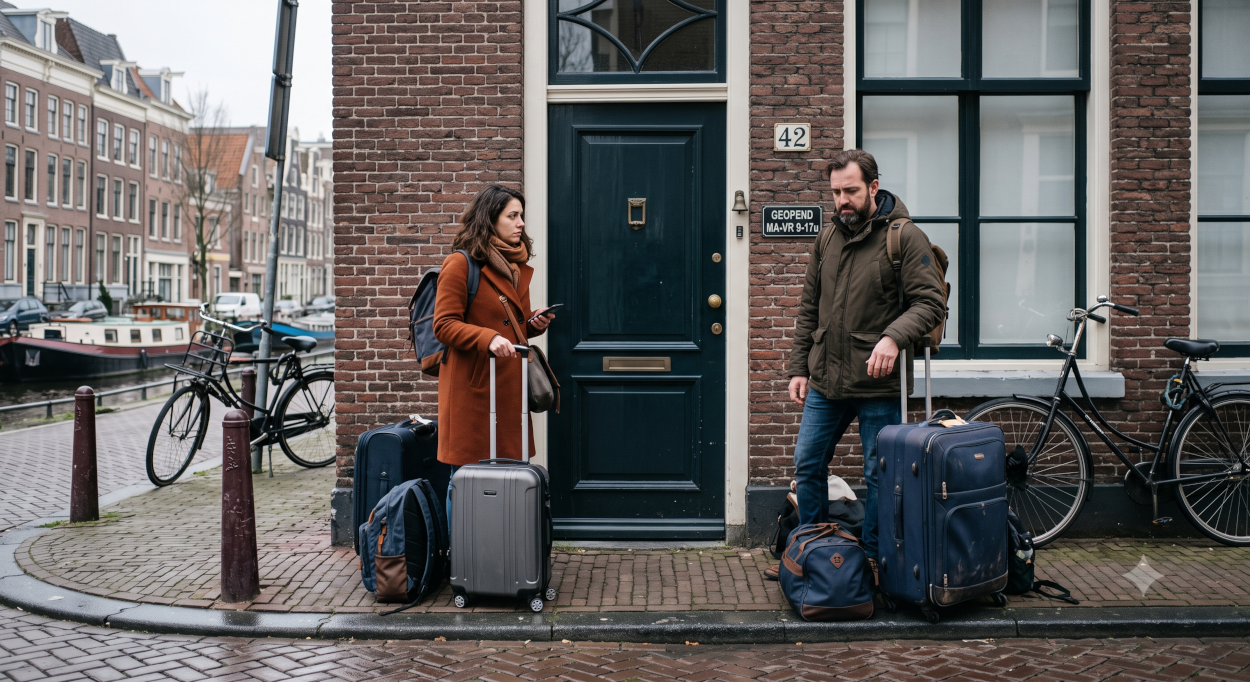
You transferred the deposit and the first month's rent. But when you step out of a taxi with your heavy suitcases, ready to start a new life in the Netherlands, you find yourself staring at a closed door. The keys you were promised never arrive, the "landlord" stops replying, and the apartment isn't yours. Sometimes, it doesn't even exist.
According to recent reports by national broadcaster NOS and warnings from the Dutch National Student Union (LSVb), summer marks the absolute peak for housing fraud in the Netherlands. As international students and expats frantically hunt for accommodation before the academic year or a new job begins, scammers are exploiting the rush.
A perfect storm of desperation
The root of the problem is well-documented: the Netherlands is in the grip of a severe housing shortage. Finding a place to live is incredibly difficult for locals, and it borders on the impossible for newcomers searching from abroad. Fraudsters know this. They capitalize on the panic, creating sophisticated traps that are increasingly hard to distinguish from reality.
These are no longer just poorly translated emails asking for money via wire transfer. Today’s scammers operate in local Facebook groups and even post on legitimate-looking property sites. They invest time in their backstories. Some will provide “references”—a phone number for a supposed former tenant who will cheerfully assure you that the landlord is trustworthy and the apartment is wonderful.
Once they have your trust, they ask for rent and a security deposit in advance. Sometimes they throw in requests for non-existent "insurance" fees. When the money clears, the communication stops.
Victims often lose thousands of euros. Unfortunately, recovering the money is rare. Dutch police often treat these cases as civil matters, and they routinely run into jurisdictional roadblocks because the scammers are operating from outside the country.
How to protect yourself
If you are an expat looking to rent in the Netherlands, the rule is simple: trust nothing at face value. Here are the most effective ways to avoid becoming a victim:
- Never pay before viewing This is the golden rule. Never transfer a deposit or rent before you, or someone you trust, has physically visited the property and met the landlord or agent. If you are still abroad, hire a certified makelaar (real estate agent) who represents expats, or ask a colleague already in the country to do the viewing for you.
- Beware the "landlord abroad" excuse A classic red flag is the landlord who claims to be working overseas and therefore cannot show you the property in person. They will often promise to mail the keys as soon as you transfer the deposit. This is almost always a scam.
- If it’s too good to be true, it is Found a spacious, beautifully furnished one-bedroom apartment in the center of Amsterdam for €1,200 a month? It’s a scam. Familiarize yourself with the current market rates. Dutch housing is notoriously expensive; anything priced significantly below the market average is a trap to lure in desperate house hunters.
- Verify the address and the owner Use Google Street View to check if the building actually matches the photos provided in the listing. You can also use the Kadaster (the Dutch land registry) to check who legally owns the property. It costs just a few euros to request a property report online, but it can save you thousands.
- Know your rights Be aware of Dutch rental laws, including the new Affordable Rent Act (Wet betaalbare huur), which places strict price controls on mid-market homes. Scammers often demand illegal fees, such as "key money" or excessive agency fees. A legitimate landlord will stick to the rules and will never pressure you into an immediate, under-the-table cash transfer.
Moving to the Netherlands should be an exciting milestone, not a financial disaster. Approach the housing market with a healthy dose of skepticism, and don't let the pressure push you into ignoring the red flags. It is far better to stay in an expensive hotel or Airbnb for a few extra weeks than to hand your savings over to a fraudster.